FYI Express
  • FYI Express: GA 10/25
  • Prelicensing Courses
    • GA P&C Agent Prelicensing
    • GA P&C Adjuster Prelicensing
    • GA P&C Counselor Prelicensing
    • GA P&C Public Adjuster Prelicensing
    • GA Life, Accident & Sickness Prelicensing
    • GA P&C Counselor Prelicensing
    • GA Limited Subagent Prelicensing
    • GA Personal Lines Agent Prelicensing
    • GA Surplus Lines Broker Prelicensing
    • GA A&S Prelicensing
    • SC Personal Lines Producer Prelicensing
  • Continuing Education Courses
    • GA 24 hours P&C CE >
      • Small Business Insurance
      • Agency Management
      • General Contractors
      • Garage Insurance
      • Trucking Companies
      • Restaurant Insurance
      • Day Care Centers
      • New Agent Training
      • Hotels
      • Supermarkets
      • Modern Family
      • Auto Insurance
      • Home Insurance
      • RC vs ACV
      • Stand Alone Policies
      • Insurance 101
      • Georgia OCI
      • Residential Insurance
      • E & O Prevention
      • Ethics
      • Life Lessons
      • You Deserve a Break
      • Insurance Fraud
      • Here Comes the Judge
      • Customer Service Tips
      • Coinsurance Clause
      • Insurance 101
      • C.O.P.E.
      • Employee Training
      • Restaurant Insurance
      • Trucking Companies
      • Garage Insurance
      • Coinsurance Clause
      • General Contractors
      • Small Business Insurance
      • 24 Hour CE Exam
    • GA 3 Hour Ethics CE
    • GA 5 Hour E&O CE
    • GA 5 Hour Watercraft CE
    • GA 10 Hour Limited Subagent CE
    • GA 24 Hour Life & Health CE
    • GA 24 hours Farm Insurance P&C
  • How to insure Commercial Lines
    • C.O.P.E.
    • Commercial Lines 101
    • "How To Insure" Tutorials
    • How to Insure Courses
    • Commercial Lines Training
  • New Agency Owners Guides
    • Agency Management
    • Is Your Website WCAG Accessible?
    • Customer Service Tips
    • Be a Better Agent eBooks
  • Agency Marketing Tools
    • Digital Handshakes using Zoom
    • 100+ Videos
    • Websites
    • Facebook Marketing
    • YouTube Videos
    • Custom Email Marketing
    • Google My Business Tutorial
    • Done For You Marketing
    • Promotional Videos
    • Google Business Profile Tutorial
    • Custom Lead Generator
    • Do It Yourself Marketing
    • The $100,000 Question
    • Free Promotional Videos
  • How to insure Personal Lines
    • Modern Family
    • Auto Insurance
    • RC vs ACV
    • Stand Alone Policies
  • Agency Management Tools
    • Customer Service Tips
    • Employee Training
    • Customer Service Tutorials
    • Training for New Hires: Personal Lines
    • Training for New Hires: Commercial Lines
    • Training for New Agency Owners
  • FYI Express: GA 10/25
  • Prelicensing Courses
    • GA P&C Agent Prelicensing
    • GA P&C Adjuster Prelicensing
    • GA P&C Counselor Prelicensing
    • GA P&C Public Adjuster Prelicensing
    • GA Life, Accident & Sickness Prelicensing
    • GA P&C Counselor Prelicensing
    • GA Limited Subagent Prelicensing
    • GA Personal Lines Agent Prelicensing
    • GA Surplus Lines Broker Prelicensing
    • GA A&S Prelicensing
    • SC Personal Lines Producer Prelicensing
  • Continuing Education Courses
    • GA 24 hours P&C CE >
      • Small Business Insurance
      • Agency Management
      • General Contractors
      • Garage Insurance
      • Trucking Companies
      • Restaurant Insurance
      • Day Care Centers
      • New Agent Training
      • Hotels
      • Supermarkets
      • Modern Family
      • Auto Insurance
      • Home Insurance
      • RC vs ACV
      • Stand Alone Policies
      • Insurance 101
      • Georgia OCI
      • Residential Insurance
      • E & O Prevention
      • Ethics
      • Life Lessons
      • You Deserve a Break
      • Insurance Fraud
      • Here Comes the Judge
      • Customer Service Tips
      • Coinsurance Clause
      • Insurance 101
      • C.O.P.E.
      • Employee Training
      • Restaurant Insurance
      • Trucking Companies
      • Garage Insurance
      • Coinsurance Clause
      • General Contractors
      • Small Business Insurance
      • 24 Hour CE Exam
    • GA 3 Hour Ethics CE
    • GA 5 Hour E&O CE
    • GA 5 Hour Watercraft CE
    • GA 10 Hour Limited Subagent CE
    • GA 24 Hour Life & Health CE
    • GA 24 hours Farm Insurance P&C
  • How to insure Commercial Lines
    • C.O.P.E.
    • Commercial Lines 101
    • "How To Insure" Tutorials
    • How to Insure Courses
    • Commercial Lines Training
  • New Agency Owners Guides
    • Agency Management
    • Is Your Website WCAG Accessible?
    • Customer Service Tips
    • Be a Better Agent eBooks
  • Agency Marketing Tools
    • Digital Handshakes using Zoom
    • 100+ Videos
    • Websites
    • Facebook Marketing
    • YouTube Videos
    • Custom Email Marketing
    • Google My Business Tutorial
    • Done For You Marketing
    • Promotional Videos
    • Google Business Profile Tutorial
    • Custom Lead Generator
    • Do It Yourself Marketing
    • The $100,000 Question
    • Free Promotional Videos
  • How to insure Personal Lines
    • Modern Family
    • Auto Insurance
    • RC vs ACV
    • Stand Alone Policies
  • Agency Management Tools
    • Customer Service Tips
    • Employee Training
    • Customer Service Tutorials
    • Training for New Hires: Personal Lines
    • Training for New Hires: Commercial Lines
    • Training for New Agency Owners
FYI Express
​Summary of FYI Express Auto Insurance Page
Overview
The FYI Express "Auto Insurance" page is a comprehensive collection of auto insurance information and resources. It presents a wide array of topics ranging from fundamental insurance concepts and consumer FAQs to specific scenarios, safety tips, and industry insights. The content is organized as an educational guide, providing links to articles, quizzes, videos, and expert advice on various auto insurance subtopics. Below is a structured summary of the key information provided on the page, with each section highlighting a different aspect of auto insurance covered by FYI Express.
Auto Insurance Basics and FAQs
This section of the page covers the fundamentals of personal auto insurance and addresses common questions consumers might have:
  • Personal vs. Commercial Auto Insurance – A linked PDF resource titled “PERSONAL vs COMMERCIAL AUTO INSURANCE” (from Visually) outlines the differences between personal auto policies and commercial auto policies. This helps readers understand how coverage differs when insuring a personal vehicle versus a business-use vehicle.
  • Personal Auto Insurance Basics – An introductory guide on the basics of personal auto insurance is provided, covering foundational concepts of how auto insurance works and what a standard personal auto policy entails.
  • How to Cancel Car Insurance – The page includes guidance on the proper steps to cancel a car insurance policy. This ensures policyholders know how to terminate coverage correctly, likely to avoid lapses or penalties.
  • Determining Coverage Needs – The question “How Much Auto Coverage Do I Need?” is posed and answered, helping readers assess the appropriate amount of coverage to carry. This topic discusses evaluating one’s liability limits and optional coverages based on individual needs and state requirements.
  • Key Questions for Policy Buyers – A segment highlights “Personal auto policies: 5 questions agents should ask buyers”, indicating important questions that insurance agents typically discuss with customers purchasing auto insurance. These questions likely relate to driving habits, vehicle use, desired coverage, budget, and personal circumstances, which help tailor the policy to the customer’s needs.
  • Factors Influencing Premiums – The page addresses “What Determines the Price of My Auto Insurance Policy?”, noting that factors such as credit history and insurance scores can impact premiums. This implies a discussion on rating factors (driving record, vehicle type, location, credit score, etc.) that insurers use to set auto insurance rates.
  • Information Needed for a Quote – It explains “What information do I need to give to my agent or company?” when obtaining auto insurance. This likely includes details such as driver’s license info, vehicle VIN, driving history, current coverage, and other personal data required to get an accurate insurance quote or to purchase a policy.
  • Saving Money on Auto Insurance – Tips on “How Can I Save Money On Auto Insurance?” are provided. This section presumably offers advice on discounts, bundling policies, maintaining a clean driving record, comparing quotes, or adjusting coverage to reduce insurance costs for the consumer.
Driver Safety and Risk Management Topics
The FYI Express page also emphasizes safe driving and covers special situations for different types of drivers. It compiles articles and tips focused on reducing risks on the road and addressing the needs of high-risk groups:
  • Teen Drivers – A topic “Auto Insurance for Teen Drivers” is included, acknowledging the unique challenges and higher risk associated with teenage drivers. This likely covers tips for insuring teenage drivers, such as graduated licensing laws, the cost impact of adding a teen to a policy, and strategies to help young drivers develop safe driving habits.
  • Senior Drivers – The page also features “Senior Drivers” as a topic. This suggests a discussion on considerations for older drivers, including potential age-related changes in driving ability, available discounts or policy adjustments for seniors, and how to ensure elderly drivers remain safe and properly insured on the road.
  • Road Rage – An item on “Road Rage” is listed, likely offering insight into how aggressive driving incidents can lead to accidents or insurance claims. It may provide advice on how to avoid road rage situations and what to do if one encounters an aggressive driver, emphasizing the importance of staying calm and safe.
  • Driving in Bad Weather – Tips for “Driving in Bad Weather” are provided, covering precautions for conditions like rain, snow, fog, or ice. This section likely advises drivers on how to adjust their driving habits during inclement weather to prevent accidents (e.g. reducing speed, increasing following distance, proper use of headlights, etc.).
  • Safe Driving Tips – The page references “72 Safe Driving Tips that could save your life”. This implies a comprehensive list of defensive driving recommendations and best practices. Such an extensive list would cover everything from seatbelt use and avoiding distractions to vehicle maintenance and anticipating road hazards – all aimed at significantly reducing the risk of accidents.
  • Distracted Driving – “Distracted Driving” is highlighted as a key topic. This section addresses the dangers of driving while distracted (for example, using cell phones, texting, eating, or other distractions). Given the later reference to statistics for parents, this likely underscores how distraction contributes to crashes and offers guidance on preventing distracted driving, especially among young drivers.
  • At the Scene of an Accident – The page includes a segment titled “At the Scene of an Accident”. This provides advice on what drivers should do immediately after an auto accident. It likely outlines steps such as checking for injuries, calling emergency services, exchanging insurance information, documenting the scene, and notifying one’s insurance company – crucial information for handling accidents responsibly and efficiently.
  • Preventing Carjacking/Theft – A topic on “Preventing Carjacking / Theft” is presented. This section presumably gives tips on how to avoid becoming a victim of vehicle theft or carjacking. Tips might include staying alert in parking lots, keeping doors locked, not leaving a running vehicle unattended, and where to park to minimize risk. By following these precautions, drivers can improve their personal safety and possibly qualify for anti-theft discounts on their insurance.
Legal Requirements and Common Myths
Auto insurance is heavily influenced by legal mandates and common public misconceptions. The FYI Express page addresses these aspects to educate readers on the realities of insurance law and coverage nuances:
  • Mandatory Insurance – “Can I drive legally without insurance?” – The page pointedly asks and answers whether one can legally drive without insurance. This underscores that in almost all cases, drivers are required by law to carry auto insurance (or other proof of financial responsibility) to drive. It likely explains the consequences of driving uninsured, which can include fines, license suspension, personal liability for damages, and even criminal penalties in some jurisdictions. In short, the content stresses that driving without the mandated insurance is not legally permissible in most places.
  • Animal Collision Myth – “A Collision with an Animal IS a Collision” – A featured article dispels a common myth regarding insurance coverage for animal collisions. It is noted that some industry sources have incorrectly stated otherwise, which can mislead consumers. FYI Express clarifies that hitting an animal (for example, a deer) is indeed treated as a collision under auto insurance policies, not some lesser or excluded event. The page emphasizes the importance of correcting such misinformation, as wrong coverage info can be detrimental to consumers. This myth-busting piece likely provides a real-world example to illustrate the proper coverage interpretation.
  • Distracted Driving Statistics for Parents – Another article titled “Distracted Driving: The Statistics that every Parent Needs to Know” is referenced. This suggests a focus on how distracted driving (particularly among teenage drivers or young adults) impacts safety, backed by data. It probably presents statistics on accidents, injuries, or fatalities caused by texting or smartphone use while driving, aiming to inform parents so they can educate and monitor their young drivers. By highlighting these statistics, the content drives home the severity of distracted driving and encourages proactive prevention measures by families.
  • Definition: “What is auto insurance?” – The page includes a basic explanatory article “What is auto insurance?”. This likely provides a clear definition of auto insurance, describing it as a contract that protects against financial loss from accidents, theft, and liability. It might break down the primary components of a policy (liability, collision, comprehensive, etc.) in simple terms for readers who are new to the concept. By covering this, the page ensures that even readers with very little prior knowledge can understand the subsequent, more detailed discussions.
  • Factors Affecting Rates & Lowering Costs – An article on “11 Factors That Affect Car Insurance Rates – How to Lower Your Costs” is featured. This piece enumerates the key elements that insurers consider when determining premiums (such as driving record, age, vehicle type, location, credit score, claims history, coverage choices, etc.) and provides tips on how to reduce insurance costs. For instance, it may suggest improving one’s credit, maintaining a clean driving record, opting for higher deductibles, bundling policies, or taking defensive driving courses as ways to qualify for lower rates. This empowers consumers with knowledge to manage and potentially decrease their insurance expenses.
Rental Car Coverage and Leasing Tips
Several resources on the page deal with insurance considerations when renting cars or leasing vehicles, helping readers navigate these specific but common situations:
  • Rental Car Insurance – Tips at the Counter – The page provides guidance on “Rental Car Insurance: Tips on What You Need to Know at the Counter”. There is both a video and an article on this topic, preparing travelers for the moment when a rental car agent asks if they want to purchase additional coverage. The content likely explains what rental car collision damage waivers (CDW) and liability supplements are, how your personal auto policy or credit card coverage might apply to a rental, and what factors to consider when deciding to buy the rental company’s insurance. This ensures that consumers can make an informed decision and avoid either paying unnecessarily for duplicate coverage or declining coverage they actually need.
  • Rental Car Insurance (Article) – In addition to the tips at the counter, a dedicated “Rental Car Insurance” article is listed. It probably delves deeper into how auto insurance works with rental vehicles, clarifying questions like whether your personal policy covers a rental car, the role of your deductible, and any limitations or exceptions (such as coverage in a different country or for certain vehicle types). Having both an article and a video on this subject suggests the page puts strong emphasis on educating readers about renting cars safely with proper insurance.
  • Determining Your Car’s Value & Repair Costs – A resource titled “Determining Your Car's Value and Cost of Repair” is included. This likely helps readers understand how insurers assess a vehicle’s value (for example, in a total loss situation) and estimate repair costs after an accident. The content might explain terms like Actual Cash Value (ACV), depreciation, and what goes into a repair estimate. It may also guide policyholders on how to independently research their car’s value and ensure they receive a fair payout on claims. In essence, this article educates consumers on the claims process regarding vehicle valuation, which can be a point of confusion after a major accident.
  • Insuring a Leased Car – The page points to information on “Insuring a Leased Car”. This addresses insurance considerations specific to leased vehicles, which often have requirements set by the leasing company. The content likely explains that lease contracts usually mandate certain coverage minimums (such as higher liability limits or gap insurance) to protect the lessor’s interest in the car. It may also discuss the necessity of gap insurance for leases – coverage that pays off the remaining lease balance if the vehicle is totaled and regular insurance doesn’t cover the full amount. This section ensures that those who lease (rather than own) vehicles understand how to meet their lease obligations with proper insurance coverage.
State-by-State Auto Insurance Laws
A major portion of the page is an article titled “Auto Insurance Statutes by State”, authored by Chris Boggs. This section emphasizes that auto insurance laws vary significantly by state. Key points from this state-by-state overview include:
  • Minimum Liability Requirements – Each U.S. state sets its own minimum required liability limits and mandated coverages for auto insurance. The article explains that because of this, the coverage needed to drive legally can differ depending on the state. For example, states mandate different minimum amounts for bodily injury and property damage liability coverage that drivers must carry.
  • Uninsured/Underinsured Motorist (UM/UIM) Coverage – Some states require insurers to include Uninsured Motorist coverage (which protects you if you’re hit by an uninsured driver), and in some cases also Underinsured Motorist coverage. Other states may make these coverages optional. The page notes that requirements for UM or UM/UIM coverage are state-specific, highlighting the importance of knowing your own state’s rules.
  • No-Fault and Personal Injury Protection (PIP) – It asks, “Is it a Personal Injury Protection state (aka, No-Fault)?”. This refers to states that have no-fault insurance systems, where your own policy’s PIP coverage pays for your injury expenses regardless of who caused the accident. The content indicates whether a given state is a no-fault (PIP) state or not.
  • Excluding Drivers – The text also inquires if “you are allowed to exclude a driver” in that state. In some jurisdictions, policyholders can exclude specific household members (e.g., a high-risk driver) from coverage to avoid high premiums, whereas other states might not permit driver exclusions on a policy. This is another element that varies by state law.
  • Detailed Information via PDF – The page contains a note that all the above state-specific information is provided in detail below and offers a downloadable PDF document for reference. This implies that the page either lists each state’s requirements in a comprehensive list or that the PDF contains a chart of all 50 states’ auto insurance statutes. The inclusion of a PDF suggests a thorough compilation, which is a useful resource for insurance professionals or consumers who want to see how laws compare across states.
In summary, the Auto Insurance Statutes by State section educates readers that auto insurance is not one-size-fits-all nationally – each state has unique legal mandates for coverage. It underscores the importance of knowing local laws or consulting an expert, especially if one moves from one state to another or insures vehicles in multiple states.
Business Use and Rideshare Coverage
The FYI Express page covers important details about using personal vehicles for business purposes, a topic of growing relevance with the rise of rideshare services like Uber and Lyft:
  • “Business Use” Exclusion in Personal Auto Policies – The page highlights an article on the “Business Use” Exclusion in the Personal Auto Policy. It explains that, in general, a Personal Auto Policy (PAP) does extend coverage for business use of a personal vehicle as long as the vehicle isn’t being used to carry people or property for a fee (for example, driving for a rideshare or delivery service would typically not be covered under a standard policy). In other words, normal business errands or commuting are covered, but using your car as a taxi or freight delivery (which is commercial use) is excluded unless you have special coverage. The page notes that if the insured was upfront about the vehicle’s use (no material misrepresentation on the insurance application), the PAP should respond to an incident that happens while driving for business purposes.
  • Carrier-Specific Exclusions – Importantly, FYI Express warns that some insurance carriers have specific exclusions for business use that many people may overlook until it’s too late. This means certain insurers may insert clauses in the policy that exclude coverage even for some forms of business use that one might assume are covered. The text suggests paying attention to these details, implying that agents and consumers should read policy terms carefully if a vehicle is used in any business capacity. This could be especially relevant for those occasionally using personal cars for gig economy jobs; without proper endorsement or a commercial policy, they might find themselves without coverage. The inclusion of this topic underscores a practical coverage gap that can catch insureds by surprise.
Overall, this section advises that while personal auto insurance will cover some business usage, one must be cautious and aware of exclusions – especially in the context of ride-sharing or any situation where a personal car doubles for commercial purposes.
Rental Car Damage Waivers and Claims Advice
The FYI Express page provides guidance on handling rental cars, particularly the question of whether to purchase the rental company’s collision damage waiver. It also presents a real-world scenario related to rental car use:
  • “Should I buy the damage waiver?” – The page introduces a scenario under “Uh-Oh, I Damaged a Rental Car”, which raises the common client question: “Should I buy the rental car damage waiver?”. This is a question many travelers ask when renting a car. The FYI Express content addresses it head-on, acknowledging it as a frequent concern for insurance clients and agents (“a question you probably receive from your clients on a regular basis”). It essentially sets the stage for discussing the pros and cons of buying the waiver at the rental counter.
  • Advice to Purchase the Waiver – The page strongly suggests that purchasing the collision damage waiver (CDW) for short-term rentals is often a wise decision. Even though the cost of these waivers can be high (“most damage waiver fees are considered outrageous”), the text notes that it is in the best interest of the insured to buy the waiver. The rationale given is twofold: First, it protects the insured by avoiding potential out-of-pocket costs or claims on their own insurance for damage to the rental car; second, it protects the agent as it prevents uncovered losses that could lead to customer dissatisfaction or even an errors & omissions (E&O) claim against the agent. By listing the “Top 10 Reasons to Purchase the Rental Car Damage Waiver”, the page emphasizes multiple benefits of taking the waiver, such as no deductible, no impact on your personal insurance rates for a claim, and coverage for loss-of-use charges that rental companies might levy. In summary, FYI Express advocates for erring on the side of caution by buying the CDW when renting a vehicle, to ensure peace of mind and full coverage.
  • Unauthorized Driver Scenario – The page recounts a real-life question addressed by insurance expert Bill Wilson under “Rental Cars and Unauthorized Drivers”. In this scenario, an insured person is renting a car for vacation and wants to let his 19-year-old son (who is not an authorized renter per the rental agreement) drive the car. The rental company’s contract forbids young drivers under the age of 25 (as is common) or any non-listed driver from operating the vehicle. The client asks whether his personal auto policy would cover an accident if his son (an unauthorized driver) were to drive the rental car. The expert’s initial reaction was hesitation to confirm coverage, “hesitated to say yes because he is clearly in violation of a written contract”. This implies that if you break the rental contract terms, your personal insurance coverage might be jeopardized. The scenario highlights a gray area: even though personal auto policies often extend some coverage to rental cars, intentionally allowing a driver who is prohibited by the rental agreement could potentially void the rental contract’s coverage and complicate or negate the personal policy’s coverage as well. The takeaway for readers is to be cautious and follow the rental agreement rules – letting an unapproved person drive a rental car could leave you personally liable for any damage.
In essence, the content related to rental cars advises: buy the collision damage waiver for short rentals, and do not violate rental agreements (like allowing unauthorized drivers), because doing so can put your coverage at risk.
Family Auto Policies and Liability Issues
The page also touches on family situations in auto insurance, giving important advice on policy management when it comes to household members:
  • Handling Divorce on a Policy – A question posed on the page asks: “How Should My Agency Handle Nonresponsive Separated/Divorced Individuals on a PAP (Personal Auto Policy)?”. This is an industry-oriented query, indicating the page’s utility for insurance agents. The scenario describes an agent seeking a standard procedure for dealing with a divorce situation: if one spouse is nonresponsive, at what point and with what documentation (e.g., a formal divorce decree) can the other spouse (the first named insured) remove them from the policy?. This highlights the complexity in auto insurance when a married couple on the same policy separates – questions arise about maintaining or altering coverage for the departing spouse, especially if communication is difficult. The inclusion of this question suggests the page (or linked article) provides guidance on best practices, ensuring that agents handle such sensitive adjustments in line with legal and underwriting requirements.
  • Parental Liability for Auto Accidents – Another entry titled “Parental Liability for Auto Accidents” is summarized on the page. It references advice sometimes given by attorneys or financial planners: to remove a child or young adult household member from the parents’ auto policy and have them get their own policy, under the notion that the parents could avoid liability this way if the child has an accident. One rationale given is that a child with minimal assets or income is not an attractive target in a lawsuit, and if there’s no specific parental liability statute in that state, the parents might think they won’t be held responsible for the child’s actions. However, FYI Express pointedly calls this “VERY bad advice.” Removing a resident family member from the policy could leave gaps in coverage; for example, the child might occasionally drive the parents’ vehicles, or if the child’s own separate policy is insufficient, the parents could still end up facing repercussions. The strong language suggests the article explains that maintaining proper coverage for all household drivers is crucial. In effect, the page warns parents and agents that trying to game the system by excluding a young driver to save money or limit liability can backfire terribly. It’s safer to keep all frequent drivers on the appropriate policies and manage liability through adequate coverage, rather than exclusion.
Additional Resources and “Edu-tainment” Content
True to its newsletter style, the FYI Express Auto Insurance page provides interactive and multimedia resources to engage readers and reinforce learning. These include:
  • Personal Auto Basics Quiz – The page invites readers to test their knowledge via a “Personal Auto Basics Quiz.” This quiz likely covers fundamental questions about auto insurance coverage, rules, and scenarios, serving as a self-assessment tool or a study aid for insurance students/agents. It makes the learning process interactive and lets readers verify their understanding of the material presented.
  • Educational Videos and Clips – There are embedded video links used for educational reinforcement and engagement. For instance, the page references a scene from Fried Green Tomatoes (1991) – specifically a movie clip of a parking lot road rage incident involving Kathy Bates’s character. This clip humorously illustrates the concept of road rage (as Bates’ character retaliates against inconsiderate parking behavior), providing a memorable example of the risks and consequences of aggressive driving. Another video titled “14 Roads You Would Never Want to Drive On” is mentioned, likely showcasing extremely dangerous roads around the world. While entertaining, this video underscores the importance of respecting road conditions and perhaps why certain hazardous routes require extra caution or special insurance considerations. Additionally, a YouTube link labeled “AutoFocus - How to adjust your car's mirrors” is included, which is a practical tutorial on setting car mirrors for eliminating blind spots. This is a useful safe-driving tip delivered via video format.
  • Infographics and Podcasts – The page also lists an “Infographic: Types of Auto Coverage”, which likely visually breaks down the different components of auto insurance (liability, collision, comprehensive, uninsured motorist, etc.) for easy understanding. Visual aids like this help readers grasp insurance concepts at a glance. In addition, a “Rental Car Insurance: Podcast” is referenced, indicating an audio resource where listeners can perhaps hear a discussion or Q&A about rental car insurance topics. Offering content in infographic and podcast formats caters to different learning preferences and helps explain concepts in an accessible way.
  • Humorous and Cautionary Anecdotes – FYI Express sprinkles in some real-world anecdotes, likely to keep the content engaging. One example given is a snippet about a “Concrete patch gone wrong,” describing a situation where a fresh concrete repair in a parking lot wasn’t barricaded and a car drove right over it. The narration (“I hope the car was able to be cleaned.”) gives a light-hearted tone while implicitly reminding readers about the unexpected mishaps that can occur (and perhaps the insurance claims that result). There are also references to a RENO 911! comedy clip titled “Drunk Catwalk” and a segment “How To Go To Jail For A Speeding Ticket” – these likely serve as humorous reminders of what not to do while driving. By including such content, the page keeps readers entertained (“edu-tainment”) while delivering lessons about safe driving and insurance in a memorable way.
  • Spanish-Language Resources – Recognizing the Spanish-speaking audience, the page provides a link to Insurance Coverage information in Spanish (En Español). Specifically, it points to the Insurance Information Institute’s Spanish-language topics on coverage, which can help Spanish readers learn about auto insurance, among other types, in their native language. The inclusion of “¿Mi seguro de automóvil cubre los daños causados ​​por baches?” (Does my car insurance cover damage caused by potholes?) suggests that common insurance questions are also addressed in Spanish. This makes the FYI Express content more accessible and useful to a broader audience, emphasizing consumer education across language barriers.
Professional Development and Motivational Insights
In addition to consumer-focused content, the FYI Express Auto Insurance page caters to insurance professionals by offering career development tips and motivational insights:
  • “Informed Citizen: Auto Insurance” Column – Part of the page is devoted to an “Informed Citizen” segment, which in this context provides inspirational advice presumably linked to being informed and proactive in the insurance field. It delivers a motivational message about personal responsibility and attitude. For example, it stresses that successful people are not “excuse-makers” – they take responsibility for their actions, set goals, and maintain a Positive Mental Attitude. It encourages readers to approach challenges with enthusiasm and to believe that “nothing is impossible” with the right mindset. Though this is somewhat tangential to auto insurance itself, it reflects the newsletter’s holistic approach to professional education: not just teaching insurance facts, but also cultivating the right attitude in work and life. The inclusion of such content aims to inspire insurance agents and readers to strive for success and continuous self-improvement.
  • Leadership and Management Insight – The page further discusses the qualities of effective leaders versus managers in the insurance industry (or business in general). It notes that high achievers recognize the need to fulfill both leadership and management responsibilities with skill. The narrative suggests that those who can inspire others and also protect an organization’s assets will reap commensurate rewards. It emphasizes accepting responsibility and excelling in one’s role as the path to career advancement and higher earnings. This serves as career advice for agents, hinting that taking initiative and being accountable can lead to promotions and salary growth. Such guidance is motivational content likely meant to be read by insurance agents who follow the FYI Express newsletter.
  • Continuing Education for Agents – At the bottom of the page, there is a note geared towards Georgia insurance agents about continuing education (CE) opportunities. It announces: “Attention: Georgia Agents! 24 hours CE for $24 or join GIA for $99 per year and it's free for all agency staff!”. This indicates an affordable online continuing education program. It also mentions having enjoyed “24 hours of Edu-Tainment” and offers a Final Exam if the reader has completed the lessons, or encourages them to continue to Lesson #4: Home Insurance next. This reveals that the Auto Insurance page is likely part of a series of educational modules – possibly an online course or a sequence of informative newsletters meant to fulfill continuing education credits for insurance licensing. The reference to “Lesson #4” suggests that the FYI Express content is structured as lessons covering different lines of insurance (Auto, Home, etc.) in a fun, engaging way (“Edu-Tainment”). This framing not only provides valuable information but also helps insurance professionals meet their formal education requirements.
In conclusion, the FYI Express Auto Insurance page serves as an extensive educational hub on auto insurance. It blends practical guidance on coverage, legal requirements, and safety with interactive media, myth-busting, and even personal development tips. Whether the reader is a consumer looking to understand their auto policy, a parent concerned about teen drivers, or an insurance agent seeking both technical knowledge and motivational insight, the page offers relevant information. Importantly, it provides numerous cited resources – from articles and videos to quizzes and external links – all aimed at enhancing the reader’s understanding of auto insurance and related best practices. The overarching message is that auto insurance, while sometimes confusing, can be mastered with the right resources and guidance, and the FYI Express page positions itself as a one-stop compilation of that knowledge.
Picture
Personal Auto Insurance Basics
  • ​How Much Auto Coverage Do I Need?
  • Personal auto policies: 5 questions agents should ask buyers
  • What Determines the Price of My Auto Insurance Policy?
  • Credit and Insurance Scores
  • What information do I need to give to my agent or company?
  • How Can I Save Money On Auto Insurance?
  • Auto Insurance for Teen Drivers 
  • Senior Drivers
  • Road Rage 
  • Driving in Bad Weather
  •  72 Safe Driving Tips that could save your life 
  • Distracted Driving
  • At the Scene of an Accident
  • Preventing Carjacking / Theft 
  • Can I drive legally without insurance? Article
  • A Collision with an Animal IS a Collision
  • It's bad when industry information sources and regulators publish wrong coverage information, especially info that’s detrimental to consumers. I hope, when you come across such instances, you take the time to correct them. Here's a good example of an auto insurance coverage myth that I've run across many times over the years.... Read on »
  • Distracted Driving: The Statistics that every Parent Needs to Know
  • What is auto insurance? (article)
  • 11 Factors That Affect Car Insurance Rates – How to Lower Your Costs (article)
  • ​​Rental Car Insurance: Tips on What You Need to Know at the Counter Video
  • Rental Car Insurance (article)​
  • Determining Your Car's Value and Cost of Repair (article)
  • Insuring a Leased Car
Picture
Picture
Picture
Picture
Personal Auto Basics Quiz

What was Kathy Bates wrong about in this incident?
How Should My Agency Handle Nonresponsive Separated/Divorced Individuals on a PAP?
An agent asks: I'm working on establishing a standard office procedure for our office when dealing w/ divorce and personal auto policies. At what point are we able to remove the other party? If the first named insured sends in a copy of the formal divorce decree, are we able to then proceed with removing the other party?
Three Personal Auto Questions Every Agent Must Know How to Answer
Regardless what the commercials tell us, personal auto coverage is not one-size-fits-all. Every insured has unique arrangements and exposures. These lead to uneasiness and questions – hopefully. This article attempts to answer three personal auto questions every agent needs to know how to answer.
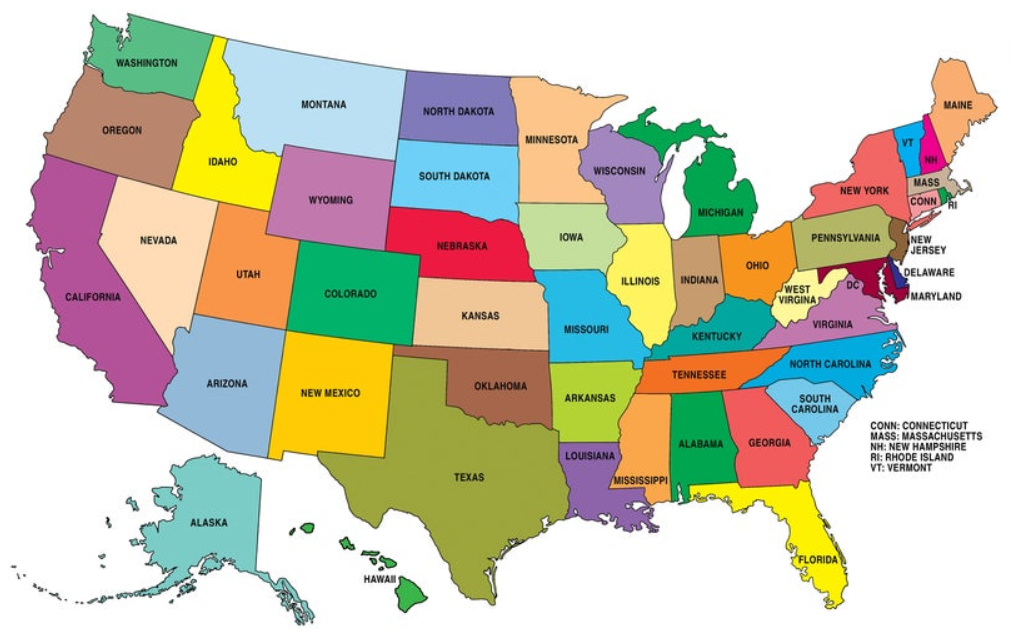
Auto Insurance Statutes by State
Author: Chris Boggs
State laws vary regarding auto policies, personal and commercial. Each state prescribes its own minimum limits and other required coverages. Some states require Uninsured Motorist (UM) and some states require Uninsured and Underinsured Motorist (UM/UIM). Is it a Personal Injury Protection state (aka, No-Fault); or are you allowed to exclude a driver? This information is contained below. Click here to download this information as a PDF document.
Picture
Picture
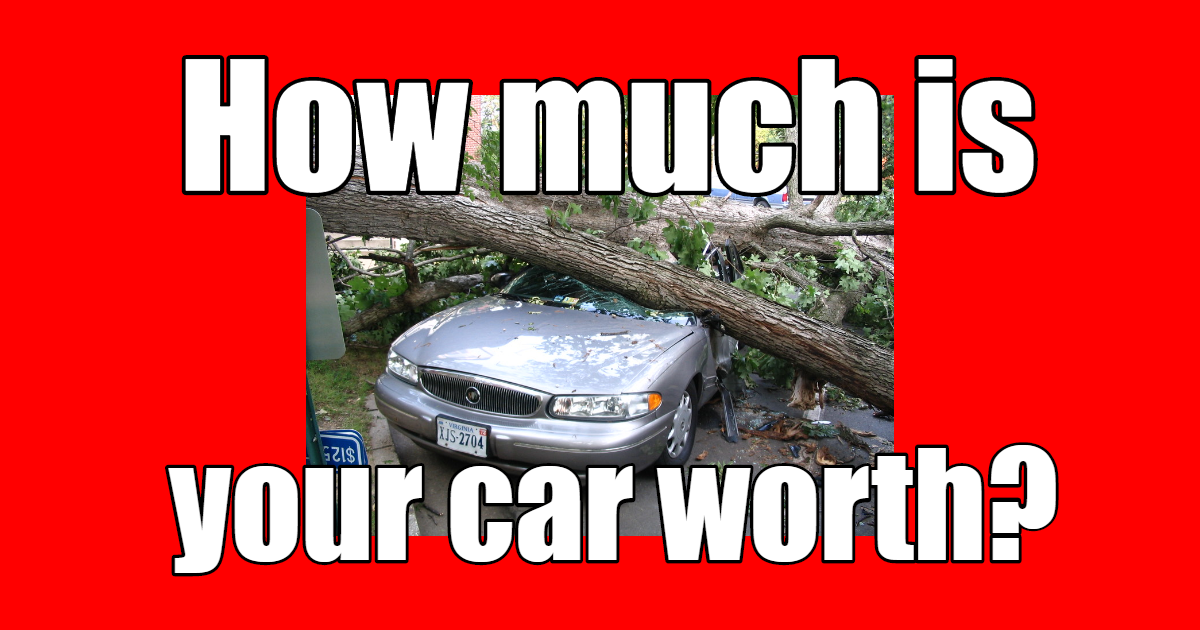
Can the insurance company pay me less than “Blue Book” for my totaled vehicle?
Yes. The Blue Book is only a guide. The company is required to pay you what your vehicle was actually worth (as a used car) the moment before the crash. The adjuster will find out how much used cars like yours (same make, model, and year) are going for in your area. It's a good idea for you to independently research the value of your car too.
Auto insurance can be confusing. That’s why our office stands ready to help you have a better understanding of your coverages. We invite you to contact our office for a no-obligation review of all your insurance needs.
The "Business Use" Exclusion in the Personal Auto Policy 
In practical application, the PAP extends coverage for the business use of a “your covered auto” provided it’s not used to carry people or property for a fee (i.e., Uber or Lyft). Absent material misrepresentation in the application regarding the use of the vehicle, the PAP responds to an incident arising from business use. But some carrier’s apply specific business use exclusions few ever pay attention to, until it’s too late. 
Uh-Oh, I Damaged a Rental Car 
“Should I buy the damage waiver?” A question you probably receive from your clients on a regular basis. What do you tell them? Is it worth the money? 
Top 10 Reasons to Purchase the Rental Car Damage Waiver 
Although most damage waiver fees are considered outrageous, the insured is best advised to purchase the waiver for short-term rentals. This is not only in the best interest of the insured, but also the agent since an inadequately covered loss may result in the loss of an account or worse, an E&O claim. 

¿Mi seguro de automóvil cubre los daños causados ​​por baches?

Top 10 Reasons to Purchase the Rental Car Damage Waiver

​Parental Liability for Auto Accidents
​Click to read the article

​An attorney or financial planner recommends that a child or other resident family member be removed from the parents' auto policy and insured under their own policy. One reason is that, for example, a child had little or no assets or income to attach in a liability lawsuit. Another reason is that, absent a parental liability statute, the parents have little or no liability for the family member. This is VERY bad advice.

Picture
Picture
​Rental Cars and Unauthorized Drivers
Author: Bill Wilson
We had an insured call to advise that he was going on vacation and renting a car in his name. He has a 19 year old that he understands cannot drive the rental car, by the rental car company's requirement. However, he is planning on letting the 19 year old drive the car anyway. His question was would his personal auto policy respond. I guess my common sense might be getting in the way of the legal application of the policy, but I hesitated to say yes because he is clearly in violation of a written contract. Would the personal auto policy respond?

Personal Auto Insurance Basics
Rental Car Insurance (article)
The “Business Use” Exclusion in the Personal Auto Policy (article)
Infographic: Types of Auto Coverage (article)

Insurance Coverage en Español
http://www.iii.org/es/insurance-topics/all-coverage-en-espanol
Picture

Auto Insurance

Auto Insurance

Got Questions?
​I got answers!

Picture
powered by
Three Bulls' Heads
​Privacy Policy
[email protected]
(770) 312-2342 (Text)
​I'll call you back!
Picture
Accessibility Statement

Picture
Eddie K. Emmett, 200 Russell Court, ​Canton, GA 30115